Trusted by 1,40,000+ patients
Leading Piles Treatment Center
Piles (Moolvyadh): Causes, Symptoms & Permanent Ayurvedic Treatment Explained
Trusted by 10,000+ patients
98% Success Rate
Understand what piles (moolvyadh) truly is, why it occurs, its symptoms, and why many patients confuse it with other anal diseases. Learn about Ayurvedic treatments like Ksharkarma and Ksharsutra for safe, permanent relief without surgery.
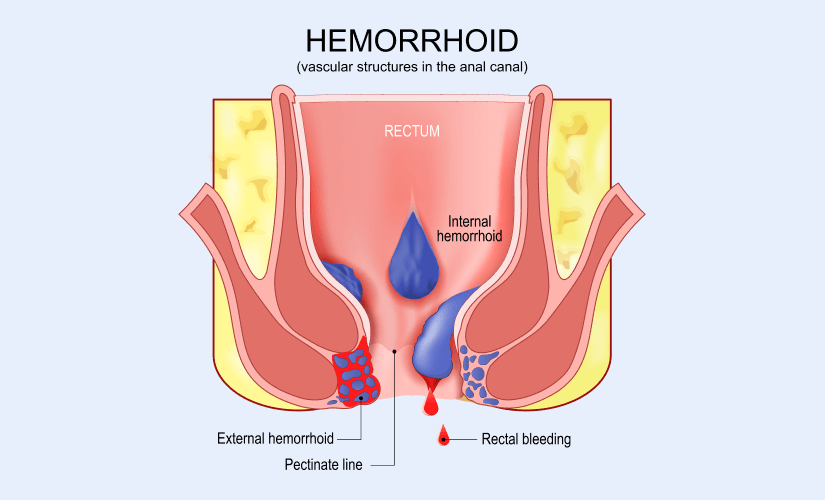
Piles (Moolvyadh) occurs when the veins in the anal region swell and form soft, fleshy lumps called hemorrhoidal masses. Piles is only one of the diseases that occur in the anal region.
Patients often confuse piles with other conditions like:
1) Fissure
2) Fistula
3) Anal gland infections
4) Polyps
Because of limited awareness, any problem at the anal area is assumed to be piles, which is incorrect.
⭐ Why Does Piles Occur?
Piles develops due to several factors: Chronic constipation, Heavy, oily, or junk food, Sitting for long hours, Standing for long periods, Straining repeatedly during bowel movements, Frequent long-distance travel, Obesity, Hereditary tendencies.
Is Piles a Hereditary Condition?
Hereditary factors are seen only in a small percentage of patients. Some rare causes include: Congenital weakness in the anal veins. Inborn absence of valves in the anal veins, Weak anal tissues or expanded anal cushions from birth.
Often, multiple family members suffer from piles not because it is genetic, but because their lifestyle, diet, and habits are similar.
Symptoms of Piles: Common symptoms include:
Small splashes of blood or drops after passing stools
A jet or stream of blood in advanced cases
A soft, fleshy lump coming out during stools
The lump going back inside on its own or needing to be pushed inside
The lump remaining outside all the time (advanced stage)
Stains of blood or sticky mucus on the underwear
Treatment Options for Piles:
When piles is in the early stage with mild bleeding, medicines + dietary changes give good results.
When:Bleeding increasesThe lump frequently comes out. Pain or swelling worsens, Then definitive treatment becomes necessary.
Modern Treatment Methods. Modern science offers options like: Injection therapy, Stapler surgery, Laser treatment, Cryotherapy, Although new methods are introduced every year, each procedure has its own limitations, and complete success is not guaranteed in all patients.
Ayurvedic Treatments (Traditional Yet Advanced)Ayurveda has documented piles treatment for nearly 6,000 years.
Treatments include:
Ksharkarma
Ksharsutra therapy
Agnikarma
Modern research has upgraded these treatments without changing their root principles. Today, piles can be treated in just 30 minutes, without major surgery.
Benefits:Suitable even for patients with heart disease, diabetes, thyroid issues, and women’s disorders Can be safely performed up to the age of 85–90. No risk of losing control over stools.
Does Surgery Cause Loss of Control?
In some modern surgeries, if the sphincter muscle (which controls bowel movements) is accidentally cut, loss of stool control may occur. But in Ayurvedic Ksharsutra treatment, no natural muscle is cut, so there is no risk of losing control.
Why Does Piles Come Back Even After Surgery?
If the root cause—mainly constipation—continues even after surgery, piles may return.This does not mean surgery has failed. It means the underlying cause was not corrected.
Does One Disease Lead to Another?
There are 12–13 different diseases in the anal region. Many share the same causes, so patients often have more than one disease at the same time. With proper diagnosis and choosing the correct line of treatment, piles can be permanently cured. The key is:
Accurate diagnosis
Understanding the stage of piles
Selecting the right treatment
Why Are Patients Afraid of Piles Surgery?
Before 1985–1990, the most common treatment was traditional surgery. At that time, many patients experienced: Severe pain, Slow healing, Loss of control (in rare cases). This created fear in the minds of patients. Later, new methods were introduced, but each came with limitations. Many patients also experienced recurrence, increasing fear and confusion.Considering all these factors, Ayurvedic Ksharsutra therapy has emerged as a highly successful, safe, and economical option.It saves: Patient’s pain, Patient’s time, Patient’s money and offers lasting relief without cutting muscles.
Latest Health & Wellness Articles
Stay informed with expert advice on piles prevention, treatment options, and maintaining digestive health.